AFFIDAVIT
Affidavit
Online in India
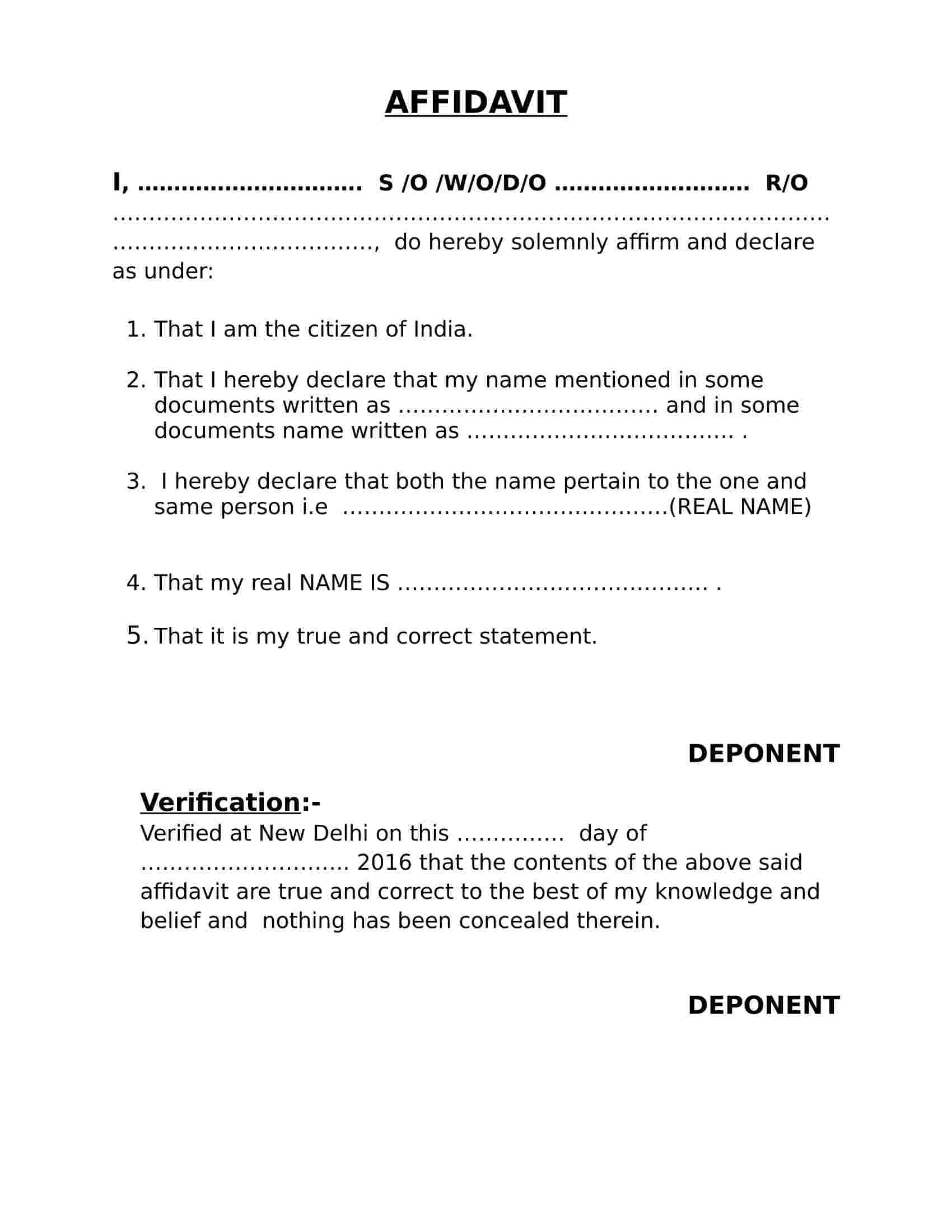
View Sample Affidavit Format
Professional guidance to draft a legally valid affidavit that clearly states the facts under oath.
Personalized assistance to ensure your affidavit meets legal standards and is accepted by authorities or courts.
Why Choose TMZON
Relying on outdated methods? Experience the TMZON difference today.

Legal Experts
Qualified experts. Every document tailored with precision.

Lightning-Fast Delivery
Don't wait days. Get your draft within 24-48 hours.

Pan-India Coverage
From Kashmir to Kanyakumari – we’ve got your back everywhere.

Transparent Pricing
No hidden fees. Get quality at a price that makes sense.

Easy Process
Just fill a quick form — we handle the rest, start to finish.

Secure & Private
Your data stays yours. Encrypted and protected every step.
Affidavit in 3 Simple Steps
Submit Your Details
Just tell us what the affidavit is for — identity proof, address change, or anything else.
We Draft & Review It
Our experts draft your affidavit as per legal standards and share it with you for review.
Get It Signed & Notarized
Receive the ready affidavit — fully formatted, signed (if required), and notarized on request.
Affidavit Pricing
Choose the option that suits you best — from simple drafting to full notarization.
Key Features
- Drafted by Legal Experts
- Delivered in 24 Hours
- Notarization Not Included
- Covers All Common Affidavit Types
- Reviewed by Advocate
- 1 Free Edit Included
Key Features
- Draft + Notarization
- Stamp Paper Included
- Notary Stamp & Seal
- Appointment Assistance (If Needed)
- Fastest Delivery Option Available
- Lawyer Verified
Affidavit Drafting — Starting at ₹499 Only!
Need an affidavit for name change, address proof, or any legal purpose? We help you draft and notarize it quickly, with full legal validity.

Understanding Affidavits: An Overview
- An affidavit is a sworn written statement made under oath, declaring facts to be true to the best of one's knowledge. It holds legal value and can be used in court or official matters.
- Affidavits are commonly used for name changes, address proof, income declarations, and more. Though drafting one is simple, getting it notarized or attested gives it greater credibility.

Affidavit Registration in India
- Registering an affidavit means getting it stamped and verified by an authorized officer, usually a notary or magistrate. Though not mandatory for all affidavits, registration helps prevent forgery or misuse.
- The registration process involves signing the affidavit in front of a notary with valid ID proof. It becomes a legally recognized declaration once attested.
Key Elements of an Affidavit
- Personal Details: Full name, father's name, date of birth, and address of the deponent (person declaring).
- Statement of Facts: Clear, concise declaration of facts or intent.
- Declaration Clause: A standard oath confirming the facts are true.
- Signature: Must be signed by the deponent and attested by a notary or magistrate.
- Date & Place: When and where the affidavit was executed.
Tips for Drafting an Affidavit
- Keep it factual—avoid opinions or vague language.
- Use clear, plain English to avoid misinterpretation.
- Stick to one subject per affidavit; if needed, prepare multiple affidavits.
- Use professional help to ensure it’s legally valid and properly formatted.
Documents Needed for Affidavit Registration
- Valid ID proof (Aadhaar, PAN, Passport, etc.) of the deponent.
- Two passport-sized photographs.
- The drafted affidavit on stamp paper of appropriate value (as per state laws).
- Address proof of the deponent.
- Supporting documents if the affidavit is for a specific purpose (e.g., income proof, name change).
Steps to Register an Affidavit
- Step 1: Draft the affidavit on the prescribed stamp paper.
- Step 2: Visit a notary or local magistrate for attestation.
- Step 3: Show ID proof and sign the document in their presence.
- Step 4: The notary signs and stamps the affidavit, making it official.
- Step 5: Keep a notarized copy safely for future use.

Eligibility for Affidavit Registration
- The deponent must be at least 18 years of age and mentally sound.
- They must voluntarily provide accurate and truthful information.
- Affidavits must be created without any coercion or undue influence.
Types of Affidavits in India
- General Affidavit: For common declarations like address or identity confirmation.
- Affidavit of Name Change: Used when legally changing one’s name.
- Income Affidavit: Declaration of earnings for official use like scholarships or loans.
- Affidavit of Loss: Used when important documents like ID cards are lost.
- Affidavit of No Criminal Record: Common for job applications or immigration processes.
Pros and Cons of Affidavit Registration
- Advantages:
- Strengthens the legal credibility of your statement.
- Accepted by courts and authorities as valid proof.
- Useful in administrative and legal procedures.
- Disadvantages:
- False affidavits can lead to legal penalties.
- May require renewal or new drafting if facts change.
Safeguarding Your Affidavit
- Keep both physical and digital copies in secure places.
- Share copies only with trusted institutions or individuals when needed.
- Make sure each copy is dated and stamped properly.
- Label affidavits clearly to avoid confusion in future use.
Will vs Trust vs Power of Attorney
Will distributes assets, trust manages them, power of attorney delegates decisions
| Category | Will | Trust | Power of Attorney |
|---|---|---|---|
| What’s Protected | Distribution of assets and properties after the testator's death. | Management and distribution of assets during and after the grantor's lifetime. | Legal authority to make decisions on behalf of the grantor, often during their lifetime. |
| Requirements for Creation | Must be in writing, signed by the testator, and witnessed by at least two individuals. | Requires a legal document (trust deed) and transfer of assets into the trust. | Must be in writing, signed by the grantor, and notarized or witnessed as per local laws. |
| When It Takes Effect | After the death of the testator. | Immediately upon creation or as specified in the trust deed. | Immediately upon signing or upon a specific event (e.g., incapacity of the grantor). |
| Control Over Assets | Testator retains control until death; executor manages distribution afterward. | Trustee manages assets as per the trust deed; grantor can retain some control if revocable. | Agent (attorney-in-fact) makes decisions as per the grantor's instructions. |
| Term of Validity | Remains valid until revoked or replaced by a new will. | Can be revocable or irrevocable, lasting for a specified period or indefinitely. | Valid until revoked, the grantor's death, or a specified expiration date. |
| Legal Process After Death | Requires probate court approval for execution. | No probate required; assets are distributed as per the trust deed. | Terminates upon the grantor's death; no authority over assets after death. |
| Flexibility | Can be amended or revoked by the testator at any time. | Revocable trusts offer flexibility; irrevocable trusts are more rigid. | Can be general (broad authority) or specific (limited to certain decisions). |
Some common questions
were often asked
What is an affidavit, and why is it used?
An affidavit is a written statement sworn under oath, used as evidence in legal matters. It confirms that the information provided is true to the best of your knowledge.
Is it necessary to notarize an affidavit?
Yes, notarization is important as it makes the affidavit legally valid and acceptable in courts or government offices.
Can an affidavit be used in place of original documents?
No, an affidavit can support your claim but does not replace original documents unless explicitly accepted by the authority.
Who can make an affidavit?
Any person who is of sound mind and above 18 years of age can make an affidavit. The person must have firsthand knowledge of the facts stated.
What happens if false information is given in an affidavit?
Giving false information in an affidavit is considered perjury and can lead to legal penalties, including fines and imprisonment.
How long does it take to prepare an affidavit?
Preparing an affidavit usually takes a few hours, depending on the complexity of the content and availability of a notary or oath commissioner.