CHEQUE BOUNCE NOTICE
Send Cheque Bounce
Notice Online in India
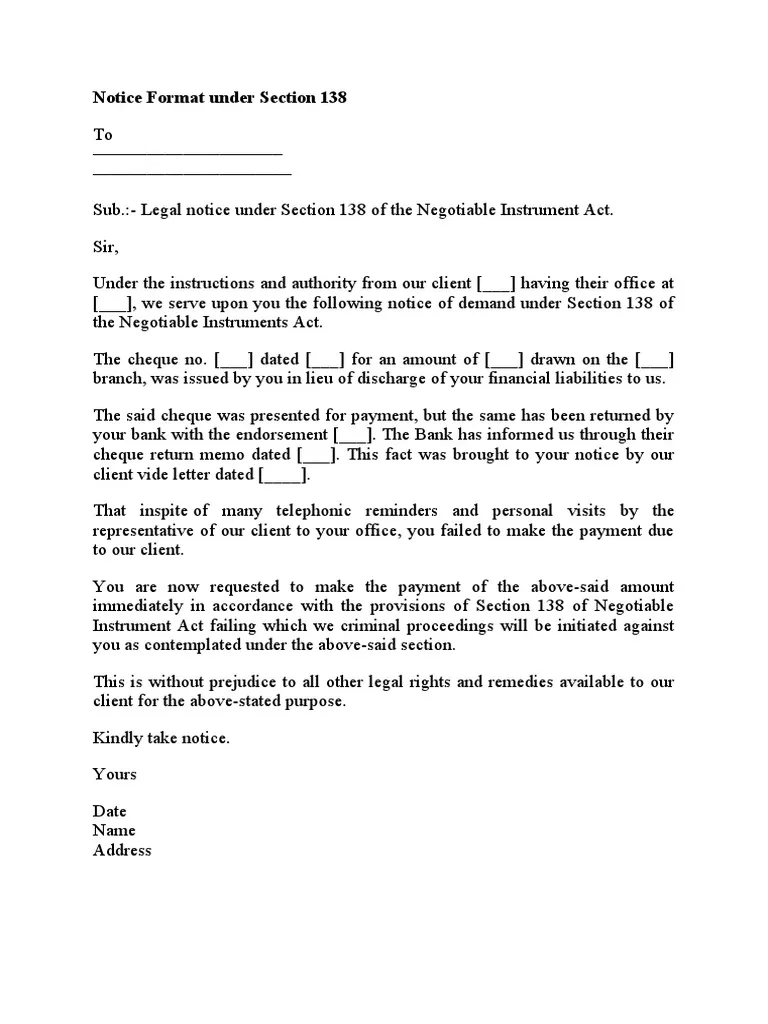
View Sample Cheque Bounce Notice Format
Set Preferred Language (English)
-
 English
-
 मराठी
मराठी
-
हिंदी
-
தமிழ்
-
తెలుగు
-
ಕನ್ನಡ
-
മലയാളം
Professional support to draft a legally valid cheque bounce notice in line with Section 138 of the NI Act.
Personalized assistance to ensure your notice clearly outlines the dishonour, demands, and legal consequences.
Why Choose TMZON
Relying on outdated methods? Experience the TMZON difference today.

Legal Experts
Qualified experts. Every document tailored with precision.

Lightning-Fast Delivery
Don't wait days. Get your draft within 24-48 hours.

Pan-India Coverage
From Kashmir to Kanyakumari – we’ve got your back everywhere.

Transparent Pricing
No hidden fees. Get quality at a price that makes sense.

Easy Process
Just fill a quick form — we handle the rest, start to finish.

Secure & Private
Your data stays yours. Encrypted and protected every step.
Cheque Bounce Notice in 3 Simple Steps
Submit Cheque Details
Share the bounced cheque details, bank slip, and transaction history with us.
We Draft the Legal Notice
Our lawyers draft a compliant and strong notice under Section 138 of the NI Act.
Notice Sent with Proof
We dispatch the notice via registered post and give you tracking and delivery confirmation.
Cheque Bounce Notice Pricing
Don’t ignore a dishonoured cheque — send a legal notice within 30 days to protect your rights.
Key Features
- Drafted by Experts
- Delivered in 24 Hours
- Legally Valid Format
- Sending Not Included
Key Features
- Draft + Registered Post
- Tracking & Delivery Proof
- Fulfills 15-Day Requirement
- Fast Turnaround
Cheque Bounce Notice — Starting at ₹999 Only!
Facing a bounced cheque? Send a legally valid notice and take the first step toward recovery under Section 138.

Understanding Cheque Bounce Notices: An Overview
- A cheque bounce notice is a formal legal intimation sent to the issuer of a dishonoured cheque.
- It is the first legal step to recover the due amount before initiating proceedings under Section 138 of the Negotiable Instruments Act, 1881.
When Is a Cheque Bounce Notice Required?
- The notice must be sent within 30 days of receiving the cheque return memo from the bank.
- The drawer is then given 15 days to clear the dues. If not, legal proceedings may follow.
Key Elements of a Cheque Bounce Notice
- Drawer’s Details: Full name, address, and contact details of the person who issued the cheque.
- Payee’s Details: Your name and address as the cheque recipient.
- Cheque Information: Cheque number, amount, date, and bank details.
- Reason for Bounce: As mentioned by the bank (e.g., insufficient funds, signature mismatch).
- Legal Demand: Request for payment within 15 days of receipt of the notice.
Tips for Drafting a Cheque Bounce Notice
- Be specific about the cheque details and the reason for dishonour.
- Clearly state the demand amount and the due date for compliance.
- Mention legal consequences if payment is not made within 15 days.
- Use professional legal language for credibility.
Documents Needed for Cheque Bounce Notice
- Copy of the bounced cheque.
- Bank return memo stating the reason for dishonour.
- Proof of any agreement or transaction linked to the cheque.
- Identity proof of the sender (payee).
Steps to Send a Cheque Bounce Notice
- Step 1: Draft the notice within 30 days of cheque bounce.
- Step 2: Send it via registered post or courier to ensure delivery.
- Step 3: Keep proof of delivery and a copy of the notice.
- Step 4: Wait 15 days for a response before proceeding to file a case.

Who Can Send a Cheque Bounce Notice?
- Any individual or business that received a bounced cheque.
- The cheque must be issued for discharge of a legally enforceable debt or liability.
- The notice must be sent within the legal time frame to remain valid.
Types of Cheque Bounce Situations
- Insufficient Funds: Most common cause of dishonour.
- Account Closed: When the drawer has shut down the issuing bank account.
- Signature Mismatch: A difference in signature from bank records.
- Payment Stopped by Drawer: If the issuer has halted payment through the bank.
Pros and Cons of Sending a Cheque Bounce Notice
- Advantages:
- Helps recover dues without directly going to court.
- Acts as a strong legal warning to the drawer.
- Mandatory step before filing a criminal case under Section 138.
- Disadvantages:
- Delays if the drawer doesn’t respond or refuses to pay.
- Time-bound process – must act promptly or lose the right to sue.
How to Keep Your Cheque Bounce Notice Safe
- Maintain a signed copy of the notice for your records.
- Preserve bank memos and delivery proofs.
- Digitally back up all related files and communications.
Legal Notice vs Cheque Bounce vs Tenant Notice
Legal notice initiates formal communication, cheque bounce notice addresses dishonoured payments, tenant notice handles rental issues
| Category | Legal Notice | Cheque Bounce Notice | Rental/Tenant Notice |
|---|---|---|---|
| Purpose | Serves as a formal communication to notify the opposing party before legal action. | Informs the issuer of a dishonoured cheque to clear dues within the stipulated time. | Notifies tenant or landlord regarding termination, eviction, or rent-related issues. |
| Legal Reference | Used under various civil or criminal laws depending on the dispute. | Mandated under Section 138 of the Negotiable Instruments Act, 1881. | Generally governed by local rent control acts and tenancy agreements. |
| Timeline for Response | Usually 7–15 days, as specified in the notice. | 15 days from receipt of notice to make payment and avoid prosecution. | Varies—typically 15 to 30 days, based on terms of the rental agreement. |
| Content Requirements | Includes grievance details, legal grounds, relief sought, and deadline for compliance. | Must mention cheque details, date of dishonour, amount due, and legal intent. | Specifies reason for notice (e.g., eviction), notice period, and compliance expectations. |
| Consequence of Non-Compliance | May lead to initiation of legal proceedings (civil or criminal). | Legal action can be initiated in court with potential penalties or imprisonment. | Eviction proceedings or legal remedy can be pursued by the affected party. |
| Who Issues It | Usually issued by a lawyer on behalf of an individual or company. | Sent by the payee or their legal representative. | Can be issued by either the landlord or tenant depending on the situation. |
| Legal Weight | Acts as a preliminary step before filing a suit; adds credibility and opportunity to settle. | Mandatory before filing a complaint in cheque bounce cases. | Supports legal claims during tenancy disputes in court or tribunal. |
Frequently Asked Questions
About Cheque Bounce Notice
What is a cheque bounce notice?
It's a legal notice sent to the issuer of a dishonoured cheque, demanding payment within 15 days before legal action is initiated.
Is sending a cheque bounce notice mandatory?
Yes, it’s mandatory under Section 138 of the Negotiable Instruments Act before filing a criminal complaint.
Do I need a lawyer to send the notice?
While not compulsory, it's advisable to hire a lawyer for proper drafting, as any error can weaken your case.
What happens if the drawer doesn't pay?
You can file a case in court after 15 days of the notice if the amount isn’t paid.
Can I send the notice myself?
Yes, but it must follow the legal format and include all necessary details, or your case may be rejected.