LEGAL NOTICE
Legal Notice
Online in India
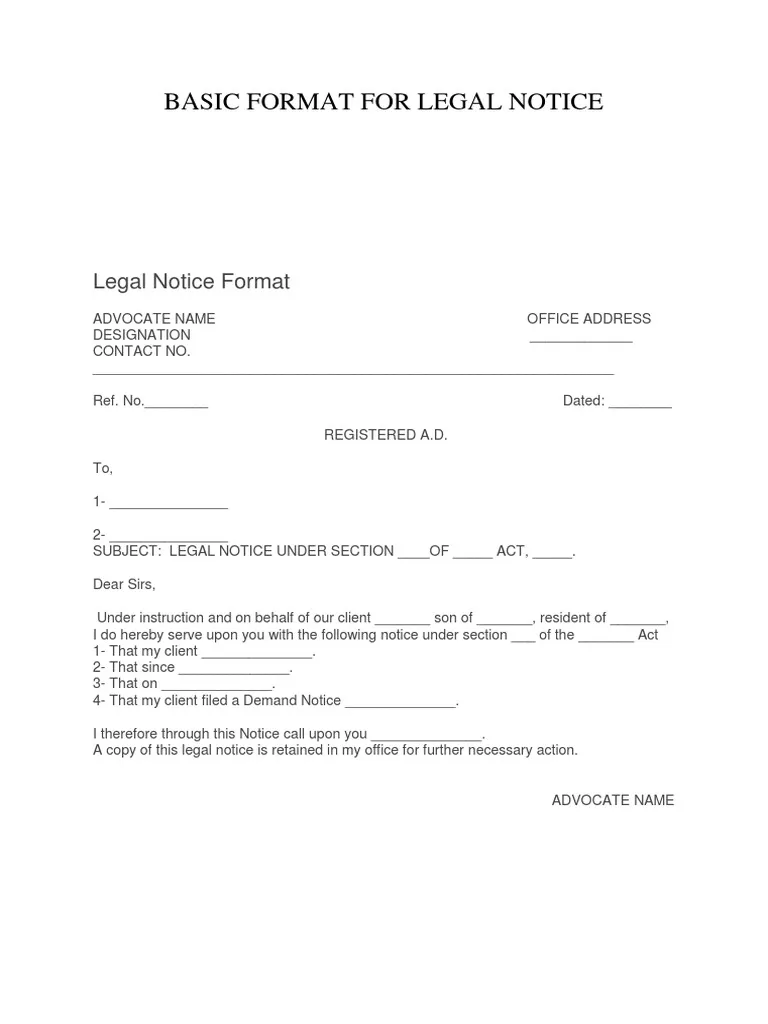
View Sample Legal Notice Format
Expert guidance to draft a legally sound notice that clearly communicates your position and demands.
Customized support to ensure your legal notice meets statutory requirements and is enforceable if escalated.
Why Choose TMZON
Relying on outdated methods? Experience the TMZON difference today.

Legal Experts
Qualified experts. Every document tailored with precision.

Lightning-Fast Delivery
Don't wait days. Get your draft within 24-48 hours.

Pan-India Coverage
From Kashmir to Kanyakumari – we’ve got your back everywhere.

Transparent Pricing
No hidden fees. Get quality at a price that makes sense.

Easy Process
Just fill a quick form — we handle the rest, start to finish.

Secure & Private
Your data stays yours. Encrypted and protected every step.
Legal Notice in 3 Simple Steps
Tell Us Your Issue
Share the background and details of your legal issue — whether it's related to property, money, or contract.
We Draft the Legal Notice
Our advocates draft a professional and legally sound notice tailored to your situation.
Notice Sent to Opposite Party
We send the notice via registered post and provide you with proof of delivery.
Legal Notice Pricing
Need to send a legal warning or initiate formal communication? Our lawyers will handle it professionally.
Key Features
- Drafted by Legal Professionals
- Customized as per Case Type
- Delivery in 1–2 Days
Key Features
- Drafting + Registered Post
- Proof of Delivery Included
- Covering All Legal Categories
- Priority Drafting in 24 hrs
Send Legal Notice — Starting at ₹999 Only!
Whether it's for recovery, defamation, breach of contract, or eviction — get your legal notice professionally drafted and sent.

Understanding Legal Notices: An Overview
- A legal notice is a formal communication sent to a person or organization to inform them of a legal action or requirement.
- It serves as a prerequisite for initiating legal proceedings and can be used to resolve disputes without court involvement.
Legal Notice Registration in India
- In India, legal notices are not mandatory to file but are often a prerequisite for legal actions.
- While registration is not required, delivering the notice to the recipient is necessary to make it legally binding.
Key Elements of a Legal Notice
- Sender’s Details: Full name, address, and contact information of the sender.
- Recipient’s Details: Name and address of the person receiving the notice.
- Statement of Facts: A clear description of the situation leading to the notice.
- Demand or Request: The action or response required from the recipient.
- Legal Basis: Reference to relevant laws and sections under which the notice is issued.

Tips for Drafting a Legal Notice
- Be concise and clear about the facts and demands.
- Ensure proper legal wording to avoid any ambiguity.
- Address all relevant details, including time frames and remedies.
- Consult a legal expert for accuracy and enforceability.
Documents Needed for Legal Notice
- Copy of the contract or agreement related to the dispute.
- Identity proof of the sender and recipient.
- Any supporting evidence related to the claim or demand.
- Details of the breach or the issue that prompted the notice.
Steps to Send a Legal Notice
- Step 1: Draft the notice with all required information.
- Step 2: Send the notice through a reliable delivery method (e.g., registered post or courier).
- Step 3: Ensure that the recipient acknowledges receipt of the notice.
- Step 4: Keep proof of delivery for future reference.

Eligibility for Sending a Legal Notice
- The sender must have a valid legal basis for sending the notice.
- The recipient must be a party to a dispute or breach of agreement.
- Legal notices are typically sent to individuals or entities with whom you have a legal relationship.
Types of Legal Notices
- Notice of Demand: Sent to demand payment or performance under a contract.
- Notice of Breach: Notifies the recipient about their failure to perform contractual duties.
- Notice of Termination: Sent to terminate an agreement or contract.
- Notice of Arbitration: Used to initiate arbitration for resolving disputes.
- Notice of Intent to Sue: A warning before filing a lawsuit.
Pros and Cons of Legal Notice
- Advantages:
- Provides a formal way to resolve disputes without legal proceedings.
- Serves as a record of the sender’s intent and demand.
- Helps establish credibility and strengthens legal action if needed.
- Disadvantages:
- Does not guarantee a resolution and may require further legal steps.
- Could be ignored by the recipient, leading to potential delays in dispute resolution.
Safeguarding Your Legal Notice
- Keep copies of the notice and proof of delivery in a safe place.
- Store any related documents securely for future reference.
- Ensure digital backups of all notices and related correspondence.
Legal Notice vs Cheque Bounce vs Tenant Notice
Legal notice initiates formal communication, cheque bounce notice addresses dishonoured payments, tenant notice handles rental issues
| Category | Legal Notice | Cheque Bounce Notice | Rental/Tenant Notice |
|---|---|---|---|
| Purpose | Serves as a formal communication to notify the opposing party before legal action. | Informs the issuer of a dishonoured cheque to clear dues within the stipulated time. | Notifies tenant or landlord regarding termination, eviction, or rent-related issues. |
| Legal Reference | Used under various civil or criminal laws depending on the dispute. | Mandated under Section 138 of the Negotiable Instruments Act, 1881. | Generally governed by local rent control acts and tenancy agreements. |
| Timeline for Response | Usually 7–15 days, as specified in the notice. | 15 days from receipt of notice to make payment and avoid prosecution. | Varies—typically 15 to 30 days, based on terms of the rental agreement. |
| Content Requirements | Includes grievance details, legal grounds, relief sought, and deadline for compliance. | Must mention cheque details, date of dishonour, amount due, and legal intent. | Specifies reason for notice (e.g., eviction), notice period, and compliance expectations. |
| Consequence of Non-Compliance | May lead to initiation of legal proceedings (civil or criminal). | Legal action can be initiated in court with potential penalties or imprisonment. | Eviction proceedings or legal remedy can be pursued by the affected party. |
| Who Issues It | Usually issued by a lawyer on behalf of an individual or company. | Sent by the payee or their legal representative. | Can be issued by either the landlord or tenant depending on the situation. |
| Legal Weight | Acts as a preliminary step before filing a suit; adds credibility and opportunity to settle. | Mandatory before filing a complaint in cheque bounce cases. | Supports legal claims during tenancy disputes in court or tribunal. |
Some common questions
were often asked
What is a legal notice?
A legal notice is a formal written communication informing the other party about a grievance and the intention to take legal action if the issue isn't resolved.
When should I send a legal notice?
A legal notice should be sent before initiating a court case. It gives the other party a chance to settle the matter amicably and avoid legal proceedings.
Is it necessary to hire a lawyer to send a legal notice?
While not mandatory, it's highly recommended to consult a lawyer to ensure your notice is properly worded and legally valid, especially in complex matters.
How is a legal notice delivered?
A legal notice is usually sent via registered post or courier to ensure proof of delivery. It may also be delivered via email if agreed upon.
What happens after a legal notice is sent?
After receiving a legal notice, the recipient can choose to reply, negotiate a resolution, or ignore it. If ignored, the sender may proceed with legal action.
Can I send a legal notice without a lawyer?
Yes, individuals can draft and send legal notices themselves, but involving a legal expert helps ensure accuracy and improves the impact of the notice.