Trademark Class 22: Ropes, Sacks and Bags

Last updated: 20 June 2025

Trademark Class 22 covers raw fibrous textile materials, ropes, nets, stuffing materials, and other coarse textile products used in packaging, shipping, and industrial applications.

Trademark Class Finder
0
Selected Classes for Pricing

No matches found. Please try different keywords.

Trademark Classes Overview (1–45)
Trademark Registration Plans
Standard
₹999 per class
Trademark search
Application preparation
Filing with USPTO
Email support
Basic monitoring
Get Started
Premium
₹1,999 per class
Everything in Basic
Comprehensive search
Attorney review
Response to office actions
6-month monitoring
Get Started
Examples
Related Keywords

Overview

Illustration of textile materials under trademark class 22

Trademark Class 22 includes natural and synthetic fibers in raw form, along with products made from these materials for industrial and commercial use. This class focuses on utilitarian textile products rather than finished consumer goods.

It includes materials for padding, packaging, binding, and structural support. Registering under Class 22 helps protect brands in the textile raw materials and industrial fiber sectors. For more details, visit the official website of Intellectual Property India.

Key Categories Under Class 22
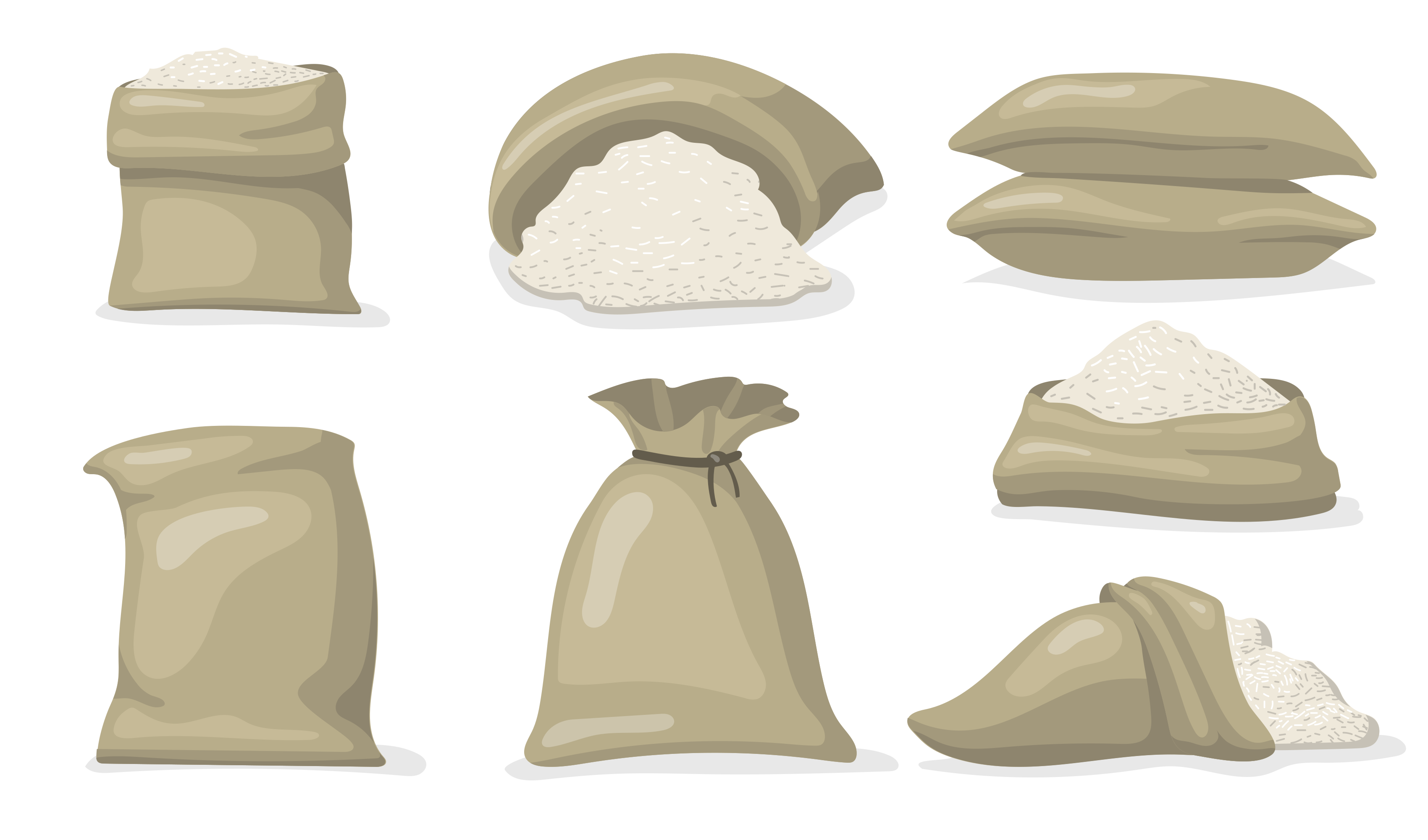
Illustration of products covered under trademark class 22
  • Raw Fibers: Natural and synthetic fibers in unprocessed form
  • Ropes & Cords: Various types of non-metallic ropes and binding materials
  • Packaging Materials: Textile-based packaging and stuffing materials
  • Nets & Mesh: Fishing nets, agricultural nets, and other netting products
  • Industrial Textiles: Tarpaulins, awnings, and other heavy-duty textile products
  • Padding Materials: Stuffing and cushioning materials for various applications

Goods Classified Under Class 22

Animal hair (raw textile material)
Awnings made of textile or synthetic materials
Bulk transport bags (textile sacks)
Laundry bags for hosiery
Agricultural binding threads (non-metallic)
Non-metallic bindings and straps
Body bags (textile)
Load handling harnesses (non-metallic)
Brattice cloth (mining ventilation fabric)
Non-metallic cables
Camel hair (raw textile)
Sailcloth
Vehicle towing ropes
Carbon fibers for textile use
Carded wool (prepared for spinning)
Coconut fiber (coir)
Silkworm cocoons
Combed wool (prepared for spinning)
Picture hanging cords
Raw cotton
Cotton tow (short fiber waste)
Cotton waste for padding
Camouflage covers
Down feathers
Eiderdown (stuffing material)
Esparto grass (for paper/textiles)
Bedding feathers
Upholstery stuffing feathers
Raw fibrous textile materials
Marine gasket fibers
Fishing nets
Fleece wool
Stuffing flock
Textile-grade glass fibers
Upholstery grasses
Hammocks
Hemp fiber
Hemp bands
Horsehair (textile use)
Jute fiber
Kapok (seed fiber for stuffing)
Venetian blind ladder tapes
Bast fibers (liber)
Raw flax (linen)
Cotton linters (short fibers)
Mail bags (textile)
Aquaculture net pens
Camouflage nets
General-purpose nets
Netting fabrics
Outdoor textile blinds
Non-rubber/plastic packing materials
Packing strings
Packing ropes
Natural stuffing materials
Textile-grade plastic fibers
Purse seine fishing nets
Raffia palm fiber
Ramie fiber
Rope ladders
Non-metallic ropes
General rope products
Textile packaging bags
Sails for boats
Ski sailing sails
Sash cords
Sawdust (for stuffing)
Silk waste (schappe)
Seaweed stuffing material
Sheaf-binding yarns
Shorn wool
Raw silk
Silk flock (waste)
Sisal fiber
Non-metallic load slings
Animal snares (nets)
Non-metallic handling straps
Straw upholstery stuffing
Straw bottle wrappers
General-purpose string
Vine tying strips
Tarpaulins
Tents
Textile fibers (raw)
Wrapping/binding threads
Tow (coarse fiber)
Paper twine
Net-making twine
Upholstery wool stuffing
Non-fitted vehicle covers
Textile-grade vitreous silica fibers
Filter wadding
Upholstery wadding
Waxed thread ends
Whipcord (strong twisted cord)
Wood shavings (for stuffing)
Excelsior (wood wool)
Wool flock (stuffing)
Raw or treated wool
Non-metallic wrapping bands

Goods Not Classified Under Class 22

Finished clothing (Class 25)
Textile fabrics for clothing (Class 24)
Bed linens (Class 24)
Table linens (Class 24)
Metallic ropes (Class 6)
Rubber or plastic packing materials (Class 17)
Paper or cardboard packing (Class 16)
Fitted vehicle covers (Class 12)
Medical bandages (Class 10)
Dental floss (Class 21)
Fishing lines (Class 28)
Sports nets (Class 28)
Safety nets (Class 9)
Electric cables (Class 9)
Fiber optic cables (Class 9)
Artificial Christmas trees (Class 28)
Textile wall coverings (Class 24)
Carpets (Class 27)
Rugs (Class 27)
Textile labels (Class 26)
Embroidery threads (Class 26)
Decorative ribbons (Class 26)
Textile belts for clothing (Class 25)
Shoelaces (Class 26)
Elastic bands (Class 26)
Textile adhesives (Class 1 or 17)
Fire hoses (Class 9)
Medical hoses (Class 10)
Textile-reinforced rubber belts (Class 7)
Conveyor belts (Class 7)
Textile machinery belts (Class 7)
Textile printing machines (Class 7)

Intellectual Properties You Should Trademark Under Class 22

  • Brand Names: Names of your fiber, rope, or textile material products
  • Logos: Distinctive symbols representing your textile materials business
  • Slogans: Catchphrases associated with your industrial textile products
  • Product Formulations: Unique fiber blends or textile treatments
  • Packaging Designs: Distinctive packaging for bulk textile materials
  • Service Marks: For companies providing textile material processing services
  • Trade Dress: The overall visual appearance of your textile product packaging

Why Register Under Class 22

Illustration of why it matters
  • Exclusive Rights: Protect your textile material brands from competitors in industrial markets
  • Brand Recognition: Establish your identity in the fibers and ropes industry
  • Market Protection: Prevent others from using similar names for comparable textile products
  • Legal Recourse: Ability to take action against counterfeit fiber or netting products
  • Asset Value: Build trademark equity in your textile material brands
  • 10-Year Protection: Renewable protection for your industrial textile trademarks
  • Begin your trademark registration process with TMZON — take the first step toward protecting your textile materials brand.

Registration Process

  • Before registering under Class 22, verify your brand name availability using our Trademark Search tool.
  • Trademark Search: Comprehensive search in the fibers/textiles category
  • Application Preparation: Gather product details and business information
  • Filing: Submit your application with the trademark office
  • Examination: Official review of your application
  • Publication: Public notice period for oppositions
  • Registration: Final approval and certificate issuance
  • Maintenance: Renewals every 10 years to maintain protection

Why Choose TMZON

Why choose TMZON for trademark registration
  • Textile Industry Expertise: Specialized knowledge in fiber and textile trademarks
  • Comprehensive Searches: Thorough clearance for textile material brands
  • Streamlined Process: Efficient handling of industrial textile trademarks
  • Global Protection: Assistance with international textile trademarks
  • Ongoing Monitoring: Watch services for textile sector trademarks
  • Cost-Effective: Competitive pricing for fiber and textile businesses

Unsure About Your Trademark Class?

Get expert guidance on registering your fiber, rope or textile material trademarks with a free 30-minute consultation.

Book Free Consultation

Common Questions About
Class 22 Trademarks

What types of ropes are included in Class 22?

Class 22 covers all non-metallic ropes made from natural or synthetic fibers, including marine ropes, climbing ropes, and general-purpose cords. Metallic ropes fall under Class 6.

Are finished textile fabrics included in Class 22?

No, finished fabrics for clothing or home use belong in Class 24. Class 22 only includes raw fibers and coarse textile materials for industrial use.

Does Class 22 include rubber or plastic packing materials?

No, rubber/plastic packing materials fall under Class 17. Class 22 only covers natural fiber stuffing and textile-based packing materials.

Are fishing nets different from sports nets in classification?

Yes, fishing nets are in Class 22, while sports nets (tennis, volleyball, etc.) belong in Class 28 as sporting goods.

Is raw cotton treated differently from cotton fabric?

Yes, raw cotton is in Class 22, while processed cotton fabrics are in Class 24. The distinction is based on the level of processing.

Are textile-reinforced rubber products in Class 22?

No, products where textiles are combined with rubber (like conveyor belts) are classified based on their primary function, typically in Class 7 for machinery parts.